The Geothermal Supply Chain Is America’s to Gain — or Lose
A domestic supply chain can de-risk geothermal deployment and spread the economic benefits nationwide.
RMI Slides | Rhodium Slides | State of Utah Slides
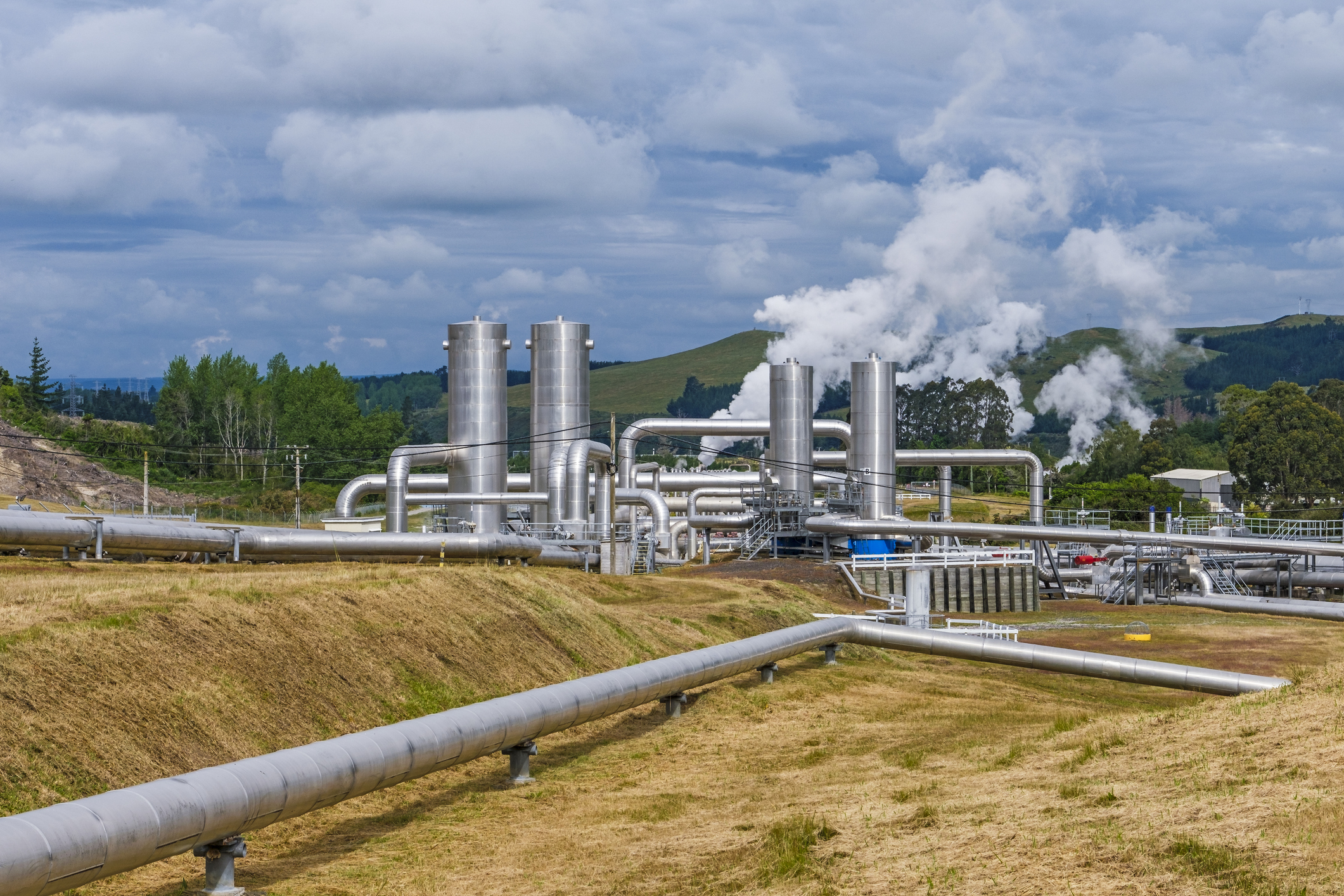
As electricity demand soars, states face mounting pressure to enable the expansion of competitive, reliable power systems with equipment sourced from secure supply chains. Next-generation geothermal is poised to meet this moment not just in a handful of states out west but in a growing swath of the entire nation—provided supportive measures are in place.
In this virtual briefing, experts from RMI, Rhodium Group, and the Utah Governor’s Office of Economic Opportunity discussed developments in next-generation geothermal; the opportunity to build its supply chain in the United States; how states can unlock economic gains from this fast-growing industry; and what economic developers and policymakers across the country can learn early from early leaders such as Utah. Rhodium Group experts shared a modeling of state-level policy in places that sit at the cusp of the next wave of geothermal power projects: Arizona, Arkansas, Colorado, Louisiana, New Mexico, Oklahoma, and Texas.
This work is done in partnership with the NEIS Center.
The New Energy Industrial Strategy (NEIS) Center is building a global network of researchers, policymakers, and private sector stakeholders who are advancing new energy industrial strategies. Advanced energy technologies are essential to build the industries of the future. We develop policies and approaches designed to harness the potential of advanced energy systems to build a nation’s most strategically important industries — such as defense, AI, semiconductors, and more — as well as the clean energy industries themselves.





A domestic supply chain can de-risk geothermal deployment and spread the economic benefits nationwide.
An overview by Rhodium Group.