Nigeria’s Year in the Driver’s Seat for Electric Vehicles
Local entrepreneurship, national policy, and a continent-sized market opportunity are helping to reenergize Nigeria’s automotive industry.
Nigeria’s mobility needs are on a steep upward trajectory. Likely to soon surpass South Africa as the biggest mover of in-country and regional freight on the continent, Nigerians buy 720,000 vehicles annually — 98% of which are imported. And sales of imported motorcycles have doubled each of the past three years. Reliance on vehicle imports — primarily used vehicles — causes US$8 billion to leave the country per year, while locking in road pollution.
Currently, Nigeria’s transportation sector produces roughly 60 million metric tons of CO₂ equivalent per year. Population and economic growth risk raising transport emissions 50% by 2035 and more than double by 2050. A large portion of daily vehicle trips are made by motorbikes, three-wheelers, vans, and minibuses, which are some of the most economically practical vehicles to electrify.
The country’s transportation present and future indicate even moderate electric vehicle (EV) penetration can have outsized impact on emissions, fuel consumption, and urban air quality. And given the huge vehicle demand market, investing in EV manufacturing offers the linchpin to revitalizing the domestic auto industry.
A strong and entrepreneurial private sector is galvanizing Nigeria’s EV ecosystem and innovating around financing, infrastructure, grid limitations, and other local constraints. Electrifying use cases like last-mile deliveries and ridehailing pose high EV utilization rates and faster payback periods, particularly for the country’s large informal economy. Fuel prices nearly tripled three years ago when the government cut petrol subsidies and prices have been volatile since.
What RMI is doing
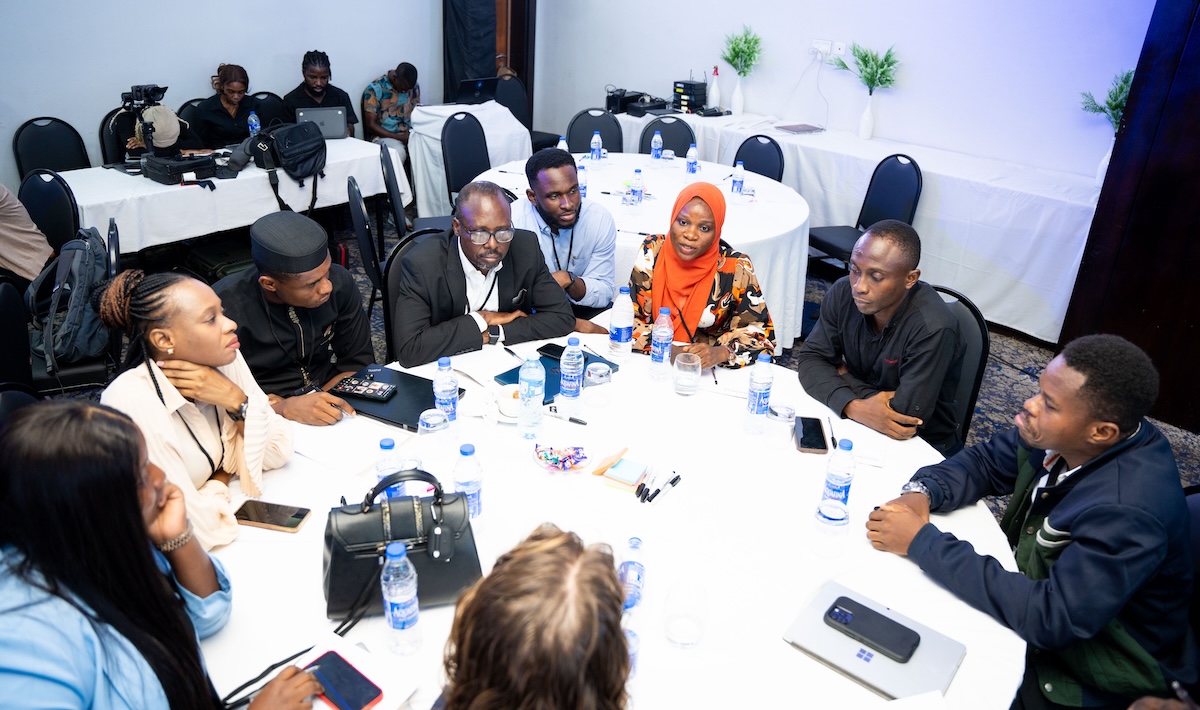
As part of the Drive Electric Campaign, RMI is supporting EV adoption in Nigeria through the development of a strong EV policy framework, ready access to affordable EV financing and charging infrastructure, corporate engagement, and consumer awareness. In April 20205, RMI hosted the “Accelerating Nigeria’s EV Transition” workshop with over thirty stakeholders from government, industry, and finance to identify solutions and strategic next steps to increase EV adoption. For more information visit RMI’s Carbon-Free Transportation program webpage.
EVs typically offer a cheaper operating alternative to gas-powered vehicles. Electric motorcycles in Nigeria already offer a lower total cost of ownership (TCO) — the lifetime cost of purchasing, fueling, maintaining, and reselling or retiring a vehicle — than internal combustion engine (ICE) two-wheelers today. In 2040, their TCO will be half that of an ICE vehicle (see chart below).
If Nigeria adopts a supportive policy environment, public charging, and other infrastructure like those discussed in the following section, EVs will achieve a high penetration of the two-wheeler market between now and 2040 (see chart below).
Nigeria is both representative of Africa’s EV opportunity and a potential EV leader
With the largest population and second largest economy, Nigeria has many of the the region’s same energy constraints and market dynamics that make EVs both high-impact and high-need. And this past year, the country’s EV policy, capital, business models, infrastructure, and technology have begun to align in mutually reinforcing ways.
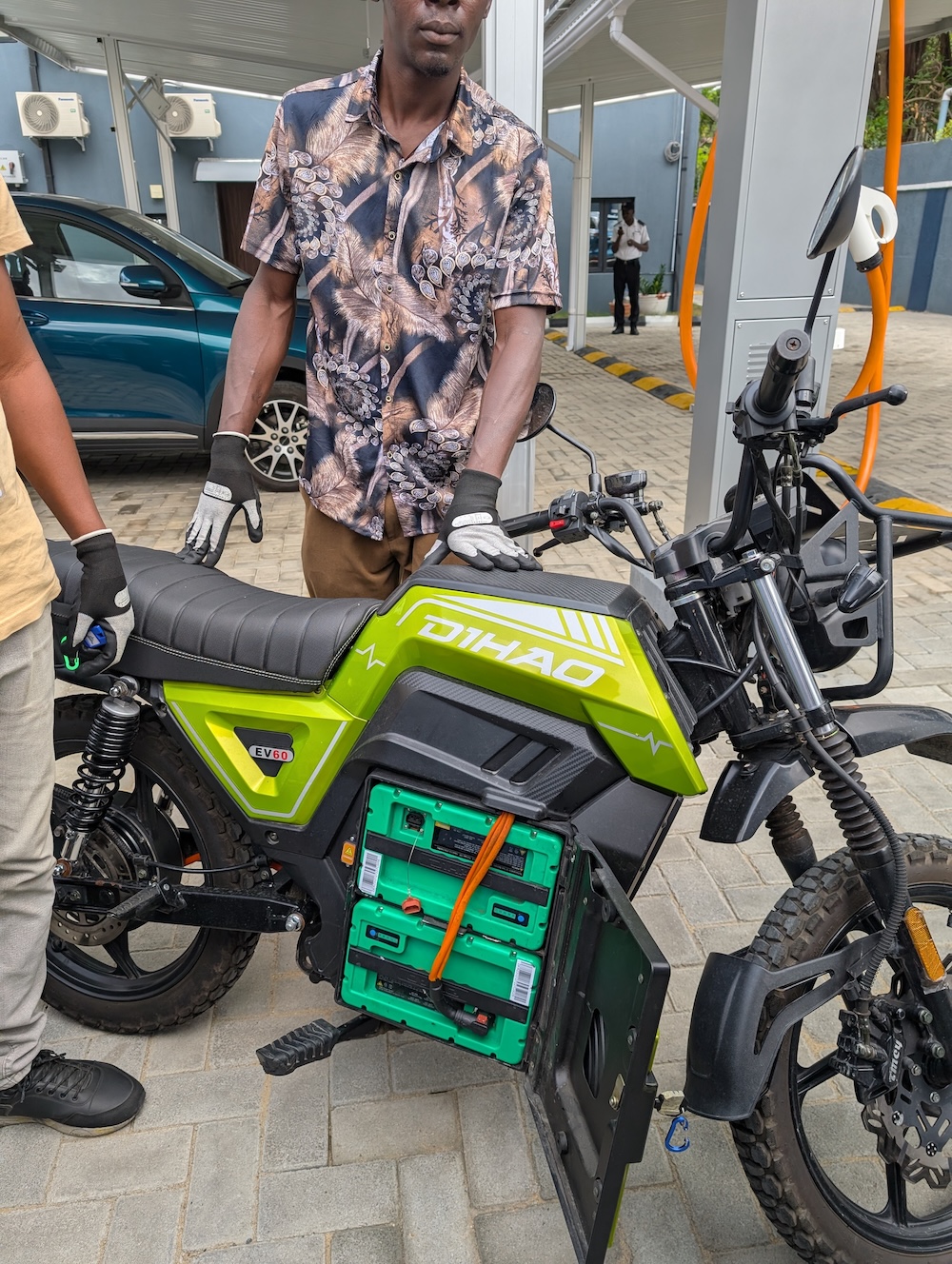
National regulation employs the EV transition as an industrial policy tool
Arguably its largest hurdle to ratification, the Electric Vehicle Transition and Green Mobility Bill passed its second reading in the Senate in late 2025. Now under review by the Committee on Industry who will spread the policy’s implementation responsibilities across several ministries, the bill is expected to return this session before a final vote and then the president’s assent.
The country’s first legally binding EV policy attempts to drive up demand for EVs by expanding domestic supply. Although it sets up tax holidays and import duty waivers on some EVs, road tax and toll exemptions for EV users, and support for investors in EV and charging infrastructure, it targets manufacturers above all. Through regulatory standards, strict compliance measures and penalties, and investment in vehicle and battery manufacturing, charging infrastructure, and workforce training, the bill signals a coordinated effort to scale electrification of Nigeria’s automotive sector.
At the core of the legislation is a heavy domestic content requirement — all EVs sold in Nigeria must have 30% of their components locally sourced by 2030. Achieving this demands major public and private investment, technology transfer, and capacity building. Nigeria’s original equipment manufacturers (OEMs) currently produce about 14,000 cars per year, despite its country-wide factory capacity projected to be capable of producing over 600,000 cars. Nigerian OEMs will have to commit to producing 5,000 EVs or more a year to be licensed under the new policy.
The licensing requirements and new restrictions on unsanctioned research and development partnerships for all participants across the value chain are meant to reinforce regulatory oversight and formalize industry participation. Nigeria seeks to grow its local EV manufacturing sector, but blocking EV and EV component imports can cause challenges for reviving idle local automotive factories and sprouting new ones. Moreover, if local manufacturers fail to ramp up production, compete with imports, or secure the right foreign partners, EV adoption hits the brakes too.
Many countries depend on EV imports to achieve their clean mobility goals. Rwanda and Ethiopia, the only other African countries with broad binding EV policies, rely instead on foreign EV imports to help achieve their targets. Rwanda exempts foreign electric two-wheelers and e-buses from import taxes. Ethiopia, the first country ever to ban the import and sale of ICE-powered cars and trucks, also depends on a favorable EV import policy. However, these countries lack much of an OEM presence, and imported ICE-powered vehicles reinforced their dependence on foreign oil, while EVs align with their renewables-backed, electric grid expansion.
Taking a cue from these East African examples, Nigeria could plan for a more gradual shift from imported to locally manufactured EVs as the domestic industry matures. The following section offers examples from Nigeria’s startup EV ecosystem leading that momentum.
Industry, finance, and public sector efforts to transform Nigeria into Africa’s EV manufacturing hub
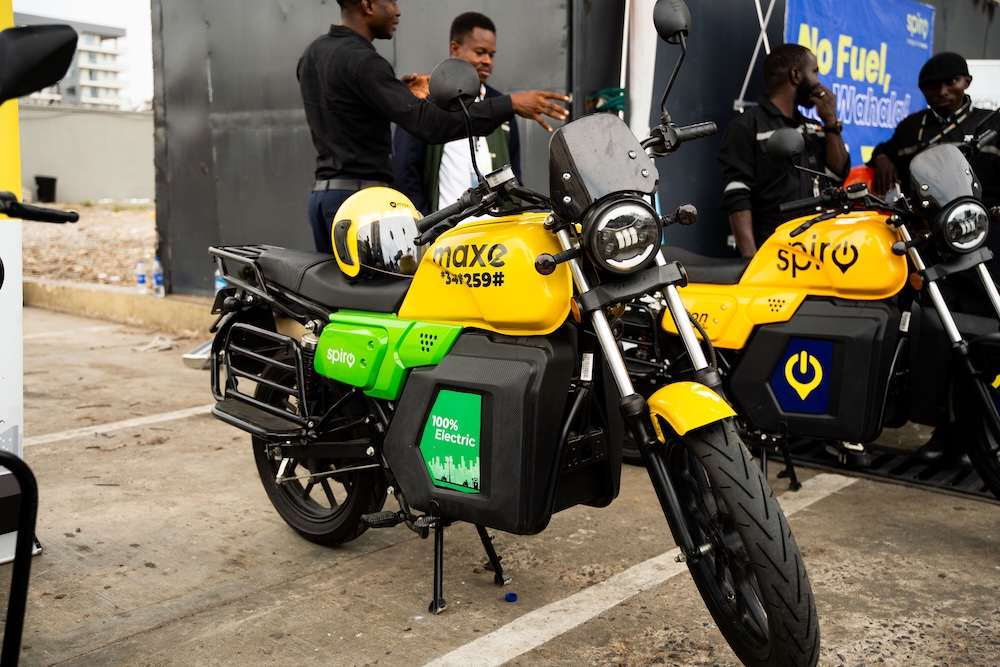
Leading EV and charging supply equipment manufacturers are proving that scalable business models succeed in the Nigerian market. Spiro, one of Africa’s largest EV companies and dominant OEM in the two-wheeler segment, operates a vertically integrated model in Nigeria that blends vehicle manufacturing, battery swapping infrastructure, and asset financing. Operating throughout the continent, Nigeria is both its largest growing market and assembly epicenter, opening a 100,000-unit capacity plant in Ogun State last year. Spiro demonstrates how EV adoption can be commercially viable at scale.
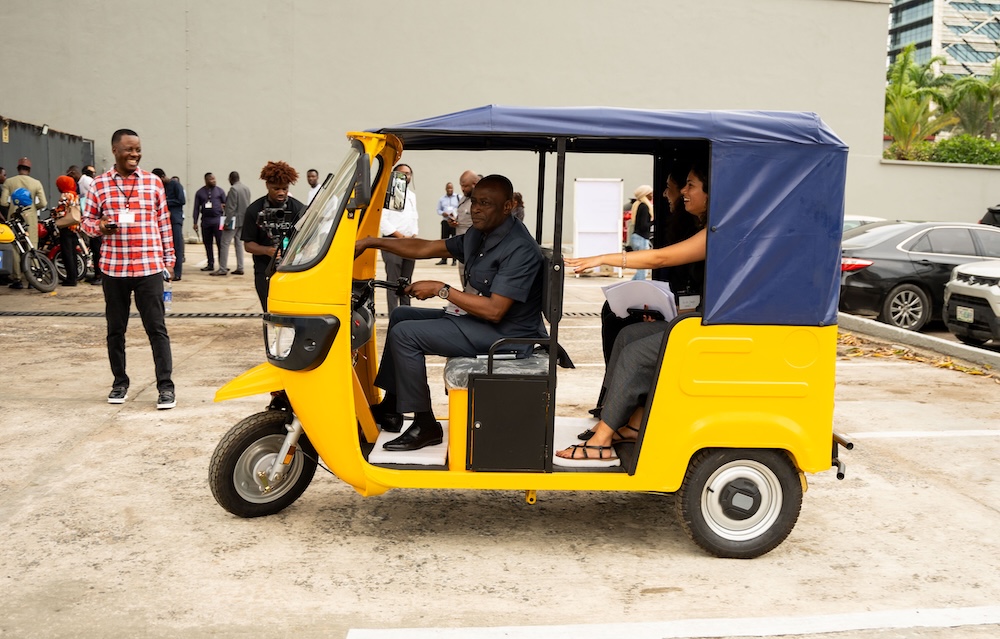
Already 10 years-old, the Lagos-based e-mobility startup MAX has evolved its vehicle subscription and ride-hailing service into a full-stack electric mobility platform. In January, MAX secured $24 million in equity from global investors Equitane DMCC, Novastar, and Endeavor Catalyst. The investment also includes a tranche of asset-backed climate debt from the Energy Entrepreneurs Growth Fund. Meant to fuel the expansion of its EV fleet, battery-swapping, and renewables-powered charging infrastructure into wider Nigeria and West Africa, MAX plans to expand local assembly. Like other e-mobility companies, MAX is deploying innovative digital fleet management tools to provide more value to commercial drivers and fleets, and to mitigate risk for financiers.
In December, Lagos State, United Bank for Africa, and LagRide created a $100 million financing facility to procure more EVs and deploy more charging infrastructure. The public–private partnership expands LagRide’s “Drive to Own” program, which uses vehicle data to help assess driver creditworthiness and connect eligible drivers to structured asset financing. By lowering up-front cost barriers while improving driver income stability, the “Drive to Own” program is accelerating EV uptake. LagRide has enabled 3,500 drivers to switch from daily renting to vehicle ownership.
Nigeria’s Ministry of Industry, Trade, and Investment (FMITI) kicked off 2026 by signing a memorandum of understanding with South Korea’s Asian Economic Development Committee to build an EV assembly plant in the northern city of Kano with an annual production of 300,000 vehicles. FMITI in turn pledged to deploy a countrywide charging station network to promote local buyers, which will reinforce the impact of the EV Transition bill’s tax and toll exemptions for EV drivers. Together these developments signal growing confidence from financiers and manufacturers in Nigeria as a viable EV production and investment hub.
Growth of EV companies and EV financiers matched by charging and battery-swapping infrastructure providers
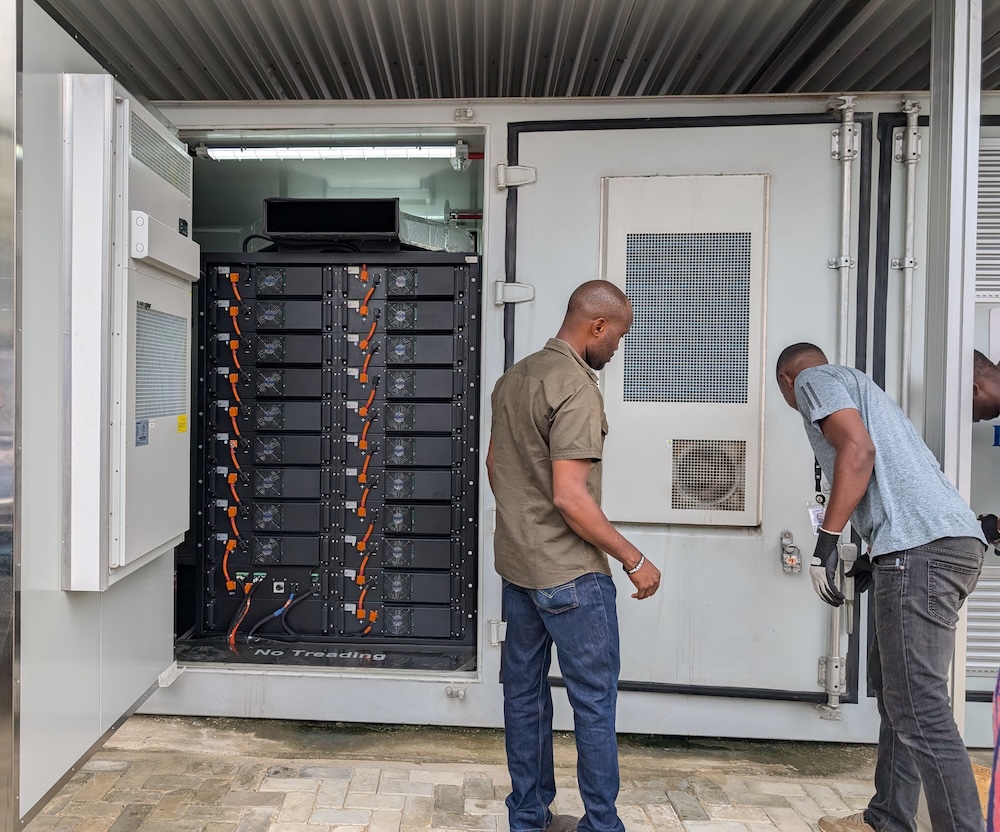
E-motorcycle battery swap cabinets and stations have shown to be a viable business model for commercial EVs in Nigeria. Motorcycle delivery drivers can switch out depleted batteries in exchange for fully charged ones within minutes. Several startups like AaraGO offer solar-powered swap stations. As of September 2025, Spiro operates over 100 battery-swapping stations, mostly in Lagos and Ogun state. To support its growing electric motorcycle fleet, it plans to expand the network to 2,000 stations in 2026.
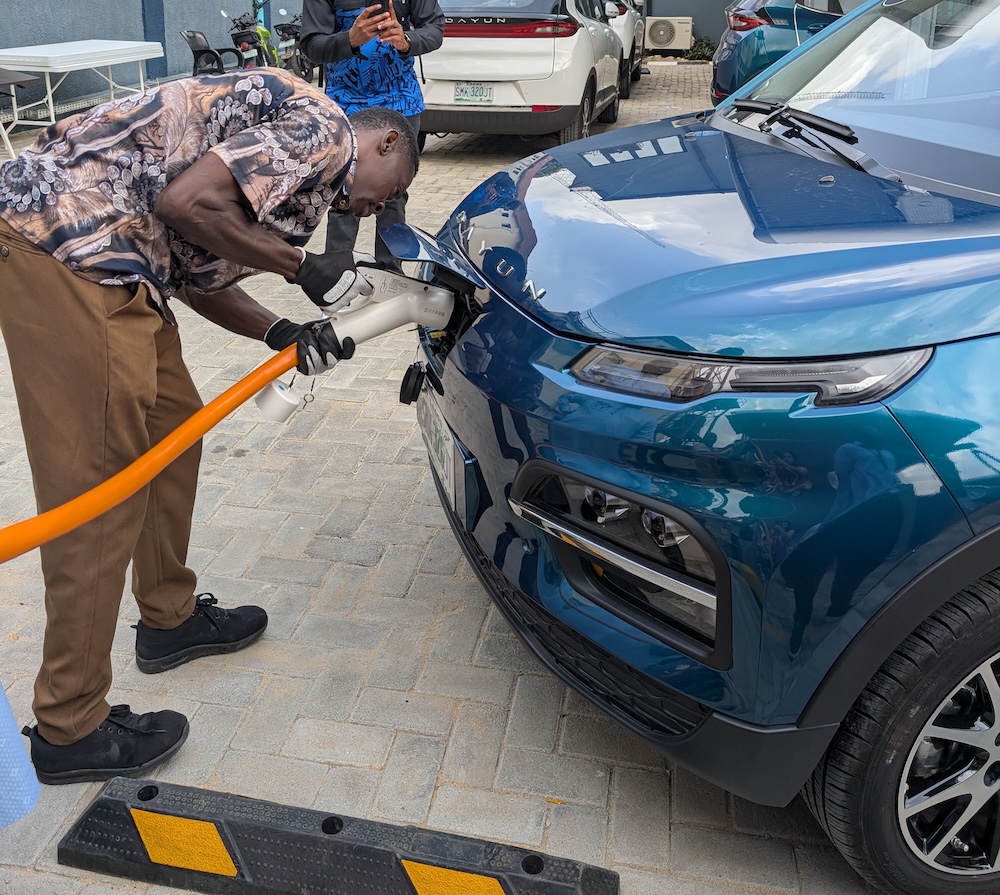
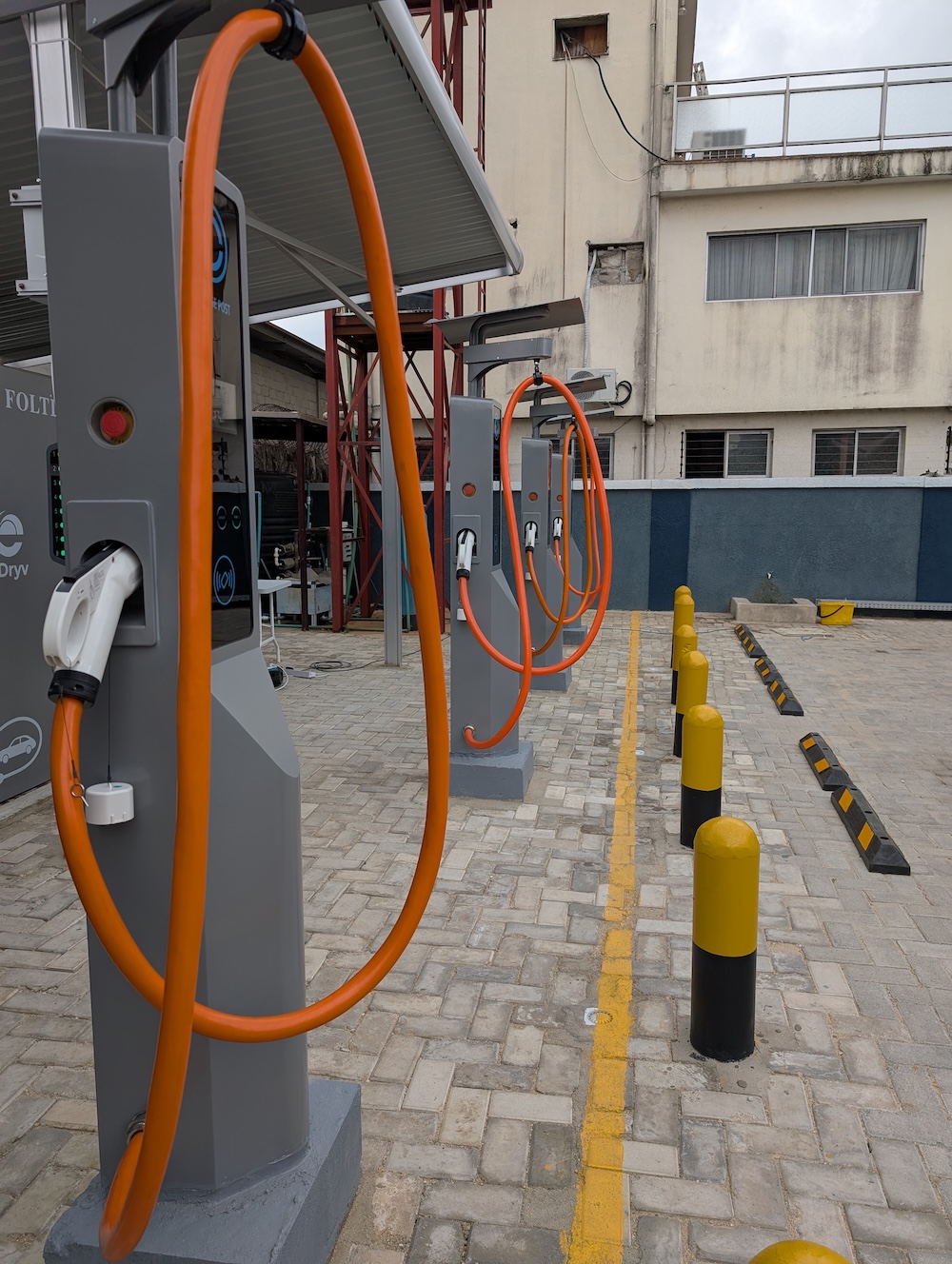
Charging stations in Nigeria face the additional challenge of providing reliable charging on what can be an unreliable grid. Entrepreneurs like SunFi combine solar, storage, and EV charging to ensure drivers can refuel vehicles regardless of the status of the grid. SunFi operates a fintech-enabled clean energy platform that facilitates the adoption of solar energy by connecting end-users, solar installers, and capital providers within a single marketplace. Rather than manufacturing or installing solar systems itself, the company focuses on embedding financing into the solar purchasing process, offering customers flexible payment options, such as lease-to-own and subscription models that eliminate high up-front costs.
SunFi’s primary revenue stream comes from margins on these financing products, while it also enables lenders to deploy capital into solar assets through a structured, risk-managed framework. In addition, SunFi provides tools and infrastructure that help solar installers increase sales and streamline operations, positioning the company as a hybrid marketplace, lending platform, and business-to-business (B2B) software provider. This integrated model allows SunFi to accelerate solar adoption while capturing value across both financial and operational layers of the EV value chain.
With innovative financing solutions and business models tailored to the Nigerian market, a dynamic e-mobility sector is already proving the case for EVs. Battery-swapping stations are proliferating in Lagos, and interest from consumers and commercial fleets in the cost-saving potential of EVs is climbing. In the coming months, the government has the opportunity to champion the progress of these private sector leaders, grow Nigeria’s EV manufacturing sector, and show its commitment to lowering household and business costs through alternative fuel vehicles like EVs with the passage of the EV Transition bill.
Transforming ambition into policy
Nigeria stands at a decisive moment in its mobility transition. Surging transport demand and volatile fuel costs are converging with a wave of private sector innovation, growing investor confidence, and an emerging policy framework that positions electrification as an economic opportunity. The alignment of policy, capital, business models, infrastructure, and technology is already shifting EVs from niche pilots to scalable solutions, with local players demonstrating viable pathways to adoption.